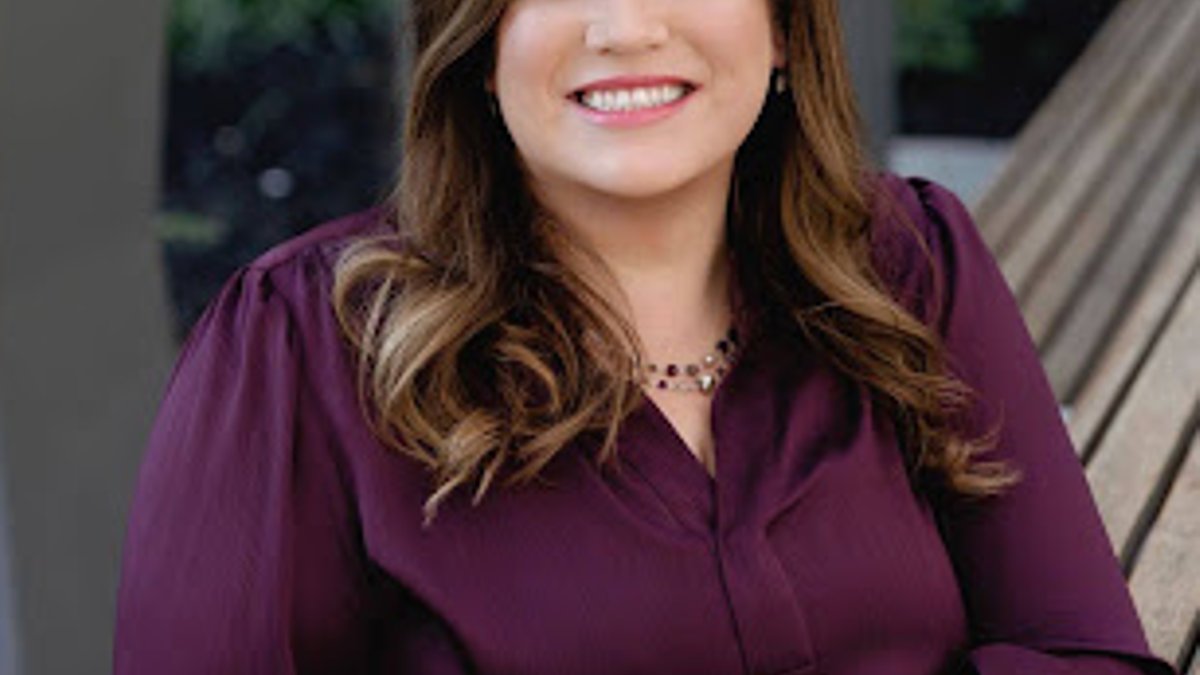
Sarah Kim’s clients frequently arrive at her San Francisco Bay Area office with the same question: How much money will I need? According to her, the answer depends less on investment returns or retirement formulas than on something far more personal. It hinges on the kind of life they wish to leave behind—and the kind they want to create.
As a Certified Financial Planner and founder of Girls Just Gotta Have Funds, Kim challenges the conventional approach to financial planning. While most advisors begin with numbers—assets, liabilities, projected growth—she starts with aspirations. Her process involves asking clients to visualize their ideal future in vivid detail: leaving a toxic job, relocating to a smaller home, traveling without guilt, or simply knowing they could handle a crisis without fear.
“Financial independence isn’t simply about reaching a number; it’s about having the resources, knowledge, and confidence to live life on your own terms,” Kim states. “It’s being able to make choices out of confidence versus fear.” For many women, this clarity emerges unexpectedly. One client, after reviewing her spending, discovered she had allocated $12,000 over the past year to food delivery and impulse purchases, funds that could have financed a sabbatical instead. Another realized her “emergency fund” was actually covering her husband’s spending rather than securing her own financial stability.
Kim’s methodology rejects the assumption that higher income equals greater freedom. She has worked with women earning $500,000 annually who still struggled to save because their lifestyles had expanded alongside their paychecks. Upgraded vacations, luxury purchases, and daily rides, what she terms “lifestyle creep”, can consume even six-figure incomes. The solution, she argues, isn’t earning more but redirecting existing resources.
“If you don’t direct your money toward a goal, then it’s just going to get spent on stuff you probably don’t need,” Kim explains. The fix isn’t deprivation but recalibration. She might ask a client spending $800 monthly on takeout: What if that money funded a year of freelance work instead? Or she’ll suggest a woman saving for her children’s college consider downsizing her home to accelerate those funds. The aim isn’t to eliminate joy but to ensure money serves her priorities.
Redefining financial advice with social events
Kim’s career began by chance at 25, when she quit her role as a T-shirt buyer to join her father’s financial planning firm. She quickly identified a gap: traditional seminars, filled with spreadsheets and formal attire, disengaged women. To address this, she reimagined the format. Workshops like Wine, Women, and Wealth and Valentine’s Tea Parties transformed financial literacy into a social experience rather than a lecture. Two decades later, her firm continues hosting events where women discuss money over tea, dismantling the stigma around debt and past financial mistakes.
Her philosophy extends to younger women through practical, relatable lessons. Kim introduces investing by making it concrete. She asks children which companies they admire; then explains how owning a share of that business functions. Starting early, even with modest amounts, turns compounding from an abstract concept into a tangible reality.
Read Also: China Unveils Nationwide Blockchain Network Plan
At its core, Kim’s work revolves around a single question: What do you want your money to enable? For some, it means leaving a draining job. For others, it’s the reassurance that a sudden loss won’t disrupt their life. She cautions against treating inheritances as guarantees or assuming a partner will always manage finances. Clients learn to locate their accounts, identify crisis contacts, and make decisions independently.
Preparing for life’s unexpected financial crises
“A sudden bereavement can leave someone facing major financial decisions while grieving,” Kim says. “Life can change in a heartbeat.” “If your spouse were to experience a sudden heart attack tomorrow, would you know what to do?” She recommends knowing where accounts are held and having contact details for financial advisors, accountants, and bankers, even if someone else normally handles the investments.
The question of sufficient wealth rarely has a universal answer. For one client, financial independence meant transitioning from a high-stress corporate role to a lower-paying nonprofit position with greater fulfillment. For another, it involved ensuring her adult children could afford college without draining her retirement savings. Kim’s process maps these personal goals onto a financial plan, but the math alone doesn’t determine the outcome. Instead, she helps clients calculate their “freedom number”, the amount needed to cover essentials while preserving the life they envision.
This approach becomes more critical as women approach retirement. Kim often collaborates with clients in their late 50s or early 60s who realize their current savings may not align with their retirement vision. A former executive had assumed her pension and investments would allow her to downsize to a beachside cottage. After reviewing her expenses, including a mortgage, private school tuition for grandchildren, and frequent international travel, she extended her timeline by three years to accommodate these priorities. Another client, a teacher, discovered her state pension would cover basics but not her planned art classes or volunteer work. The solution wasn’t to save more but to redefine “enough” to fit her passions.
Teaching young women sustainable money habits
For younger women, Kim focuses on building sustainable habits. She begins with small, actionable steps: setting up automatic savings transfers, tracking spending for a month, or researching low-cost index funds. In a workshop for young professionals, participants matched daily-used companies, like their favorite coffee shop or streaming service, to publicly traded stocks. The goal wasn’t overnight investing but demystifying the process. Consistency matters more than perfection.
Kim’s approach reflects a broader principle: financial security is a series of deliberate choices. Whether a woman in her 30s redirects discretionary spending toward a home down payment or a retiree in her 70s adjusts her budget for an international move, the framework remains consistent. The numbers provide structure, but the purpose derives from the life each woman envisions. In Kim’s view, that purpose defines money’s true value.