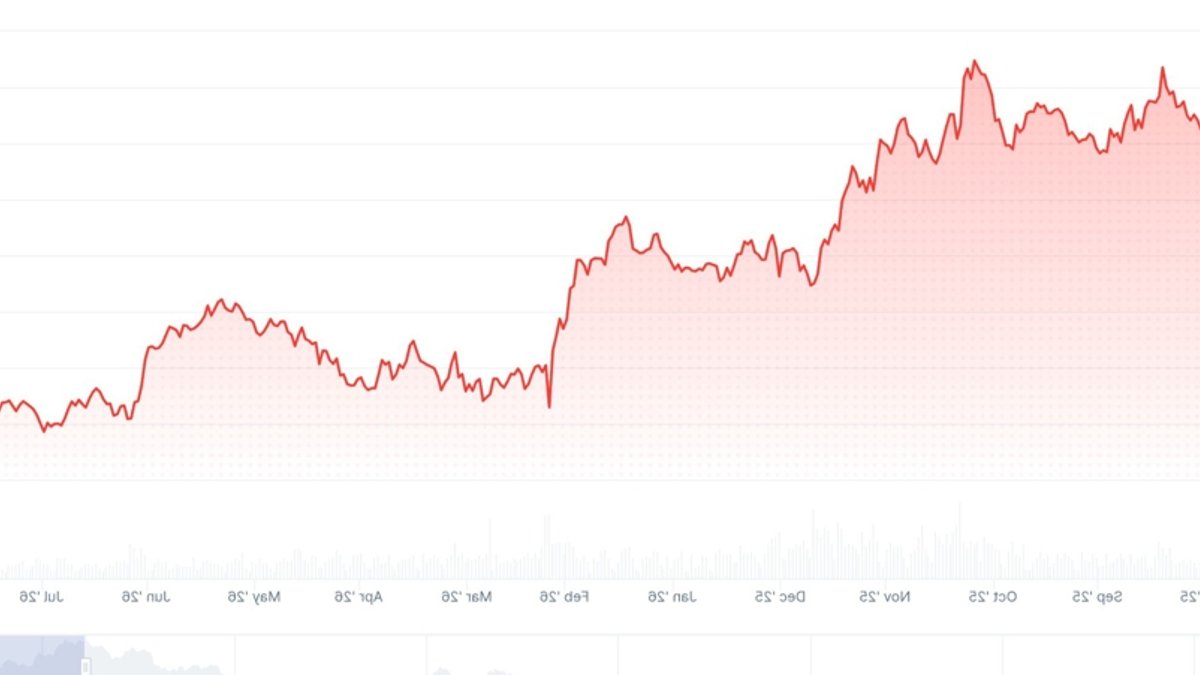
Bitcoin remains under pressure.
Bitcoin is facing a confluence of pressures that have left the cryptocurrency struggling to regain upward momentum after a sharp sell‑off on Monday.
Geopolitical tension and higher rates dampen appetite
According to David Morrison, senior market analyst at Trade Nation, the ongoing conflict between the United States and Iran has weakened risk appetite. Rising oil prices and persistent inflation worries have pushed expectations for tighter monetary policy, which reduces the appeal of non‑yielding assets such as Bitcoin.
Higher interest rates generally make yield‑bearing investments more attractive, adding to the selling pressure across the crypto sector. The combination of geopolitical uncertainty, inflation concerns and continued outflows from U.S. spot ETFs has weighed heavily on sentiment.
Related: How alternative finance helps small businesses
Technical outlook points to further downside
ActivTrades senior analyst Saverio Berlinzani warns that Bitcoin is on track for a double‑digit quarterly loss, marking a second consecutive quarter of decline. From a technical perspective, the price could slip back toward the August 2024 low of $49,443.
When Bitcoin retreats, major altcoins—Ethereum, Solana and XRP—typically suffer steeper percentage drops, expanding the pool of coins trading in the red. The analyst explains that Bitcoin’s role as a global benchmark asset means negative sentiment can trigger capital flight from institutional products, slowing broader adoption in the short term.
Unlike equities, Bitcoin reacts sharply to rising rates and the Federal Reserve’s aggressive stance against inflation. Persistent outflows from U.S. spot ETFs are creating technical selling pressure that temporarily decouples the crypto market from Wall Street stock indices.
Some observers suggest that investors confident in blockchain technology are growing bored with Bitcoin and are looking toward AI‑related opportunities. The counter‑argument is that Bitcoin’s core value proposition—decentralisation and the ability to move value without intermediaries—remains unchanged from when it traded at more than twice its current level.
Related: Pepperstone Appoints New Middle East Heads
For everyday users, the current environment means fewer incentives to hold or trade Bitcoin. When rates climb, holding a non‑yielding asset becomes a costlier proposition, and the lack of clear price direction can deter new entrants. This situation may keep the cryptocurrency in a holding pattern until macro conditions ease.
Market sentiment and institutional flows
Institutional outflows have been pronounced, with U.S. spot ETFs seeing net withdrawals that add to the technical drag on the market. The trend suggests that Bitcoin’s price movements are increasingly driven by fund flows rather than broader retail demand.
The negative sentiment also affects the broader crypto ecosystem, as capital moves away from institutional instruments and toward alternative assets or cash.
Overall, the combination of geopolitical risk, higher interest rates, inflation worries and ETF outflows creates a challenging backdrop for Bitcoin, making a rebound appear unlikely in the near term.