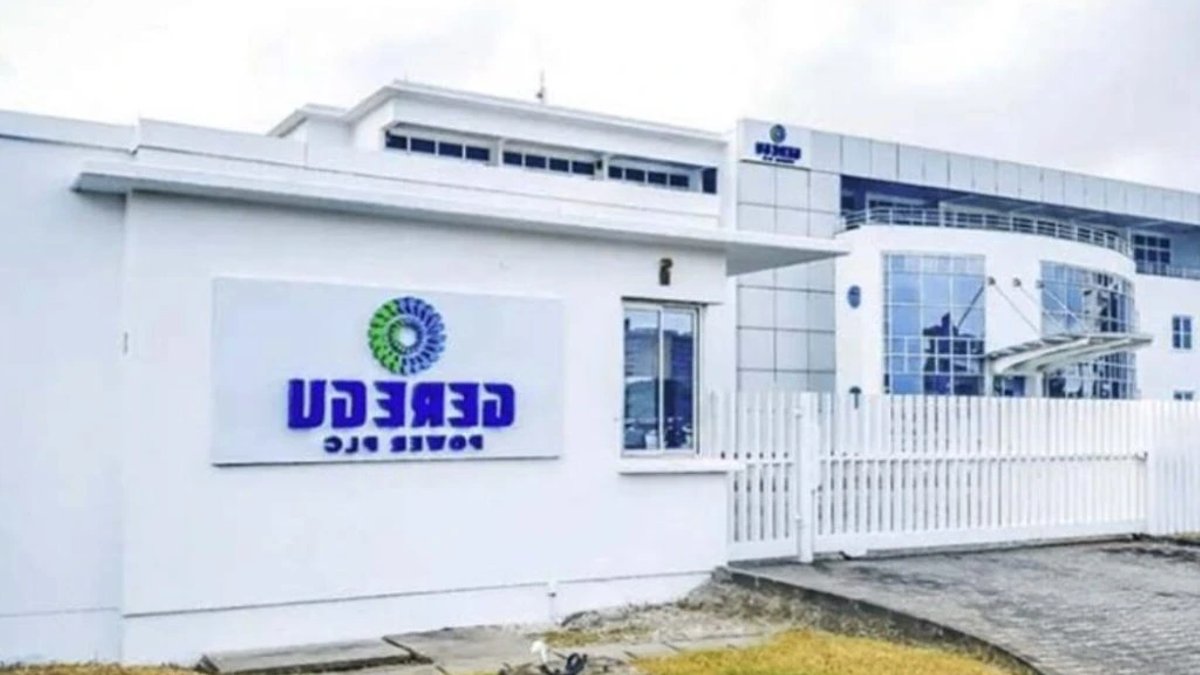
Geregu Power Plc’s default on its N40.09 billion Series 1 bond revealed a critical oversight among investors: accounting profits often diverge from actual cash flow.
The company’s financial statements showed robust growth. Revenue rose from N71 billion in 2021 to N185 billion in 2025. Net profit remained stable at N27.3 billion in 2025, nearly matching the prior year. Yet these figures concealed a troubling reality—cash flow lagged behind.
Profit vs. cash: the numbers that don’t lie
Revenue represents the value of electricity sold and capacity charges billed. Net profit accounts for costs, interest, depreciation, and taxes. Both metrics can be influenced by accounting decisions, such as accelerated revenue recognition or deferred expenses.
Cash flow, however, tracks real money movements. Free cash flow measures what remains after operating expenses and capital expenditures. It aligns with actual bank balances, making it harder to manipulate.
In 2025, Geregu reported N27.3 billion in net profit but generated only N19.6 billion in operating cash flow and N18.2 billion in free cash flow. The disparity was more pronounced in 2024, when free cash flow turned negative despite solid profits. The issue stemmed from a rise in trade receivables—revenue recorded but never collected.
Most of the company’s customers are government-backed entities, including the Nigerian Bulk Electricity Trading Plc. When these customers delay payments, cash fails to materialize, regardless of revenue figures.
The problem reflects a broader challenge in Nigeria’s power sector, where payment delays strain working capital even when income statements appear strong.
Related: NFEM turnover falls to 11-week low amid thin FX activity
Dividends that outpaced cash flow
Geregu’s dividend policy worsened its financial strain. In 2025, the company distributed N22.5 billion in dividends—exceeding its free cash flow and operating cash flow combined. This wasn’t an isolated incident. The company had a history of large payouts, even when liquidity was constrained.
Dividends exceeding free cash flow force companies to deplete reserves, delay supplier payments, or borrow. Geregu’s cash reserves dwindled, payables to gas suppliers increased, and liquidity pressures eventually led to its bond default.
Investors celebrating those dividends overlooked the underlying risks. The payouts weren’t funded by cash generation but by debt or reserve depletion. In retrospect, they signaled trouble rather than success.
Investors often fixate on revenue growth and net profit, but cash flow provides the clearest measure of financial health. When dividends consistently exceed free cash flow, it raises concerns. The same applies to mounting receivables, particularly in sectors prone to payment delays.
For Geregu, the bond default exposed the disconnect between reported profits and actual cash. Those who relied solely on income statements missed the warning signs until it was too late.
The power sector’s payment system remains unreliable. The only reliable indicator of financial stability is the balance in the bank account.
Companies facing such challenges must prioritize authentic leadership to handle financial pressures effectively.