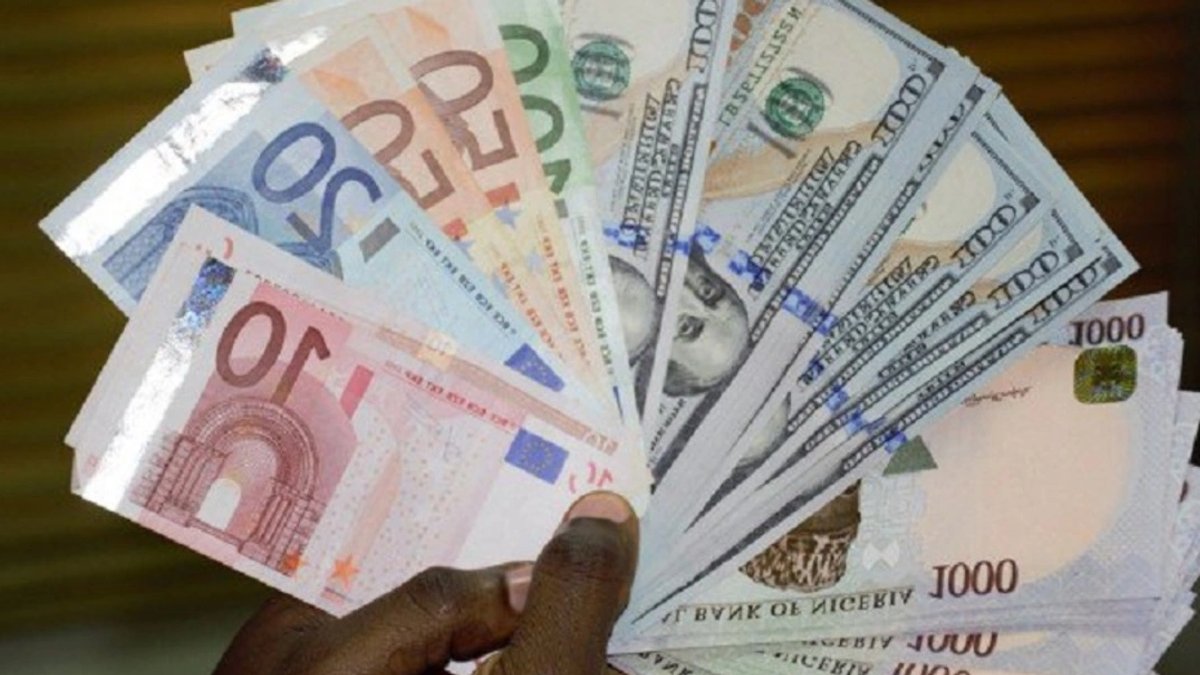
Nigeria’s foreign exchange market sustained robust activity levels in the week ended August 7, 2026, posting total turnover of $3.73 billion—a 117% surge from the prior week—signaling continued investor appetite for dollar positioning.
Spot transactions have dominated trading throughout the period, reflecting the market’s structural reliance on immediate settlement instruments. FMDQ Exchange’s weekly FX market turnover report notes that spot deals accounted for virtually all trading flow while forward contracts and derivatives remain marginal.
The week’s turnover of $3.73 billion shows a significant increase from $1.72 billion in the previous week. The spike was almost entirely concentrated in spot transactions, which accounted for $3.70 billion of the total, representing 99.33% of all FX activity. Forward and derivative contracts posted much smaller gains, each recording just $25 million in turnover, though both instruments showed growth week-on-week.
It is worth noting that daily average turnover during the week reached $745.89 million, compared with $343.75 million the previous week. This figure indicates sustained intraday demand for immediate currency settlement.
The spike in August 7 turnover arrives just two weeks after the market crossed the $4 billion mark for the first time in 2026, with total transactions in the FX Spot and Derivatives markets reaching $4.375 billion in the week ended July 24, 2026. That prior week’s records show weekly turnover figures—swinging from $2.836 billion, to $1.631 billion, to $2.386 billion, and then to $4.375 billion.
Related: Nigerian firms earn N179.5bn from T-bills and placements
The August 7 turnover of $3.73 billion suggests that the market continues to operate at raised levels exceeding the $2 billion to $3 billion range that characterized most of July’s trading activity. Weekly FX spot and derivatives turnover had been climbing steadily through Q3, from roughly $2.1 billion in mid-June to $3.05 billion by early July, before the late-July spike to $4.375 billion and this week’s $3.73 billion figure.
Spot transactions have consistently accounted for more than 98% of weekly turnover, while exchange-traded FX futures remained inactive, leaving over-the-counter forward contracts as the primary hedging instrument in the market. The forward market’s contribution remains marginal at $25 million, or 0.67% of turnover, suggesting that despite the surge in spot activity and the apparent need for hedging instruments, market participants continue to prefer spot settlement or execute hedges in less transparent over-the-counter channels outside the formal exchange.
This structural imbalance leaves the market vulnerable to sharp moves during periods when spot liquidity tightens. The August 7 turnover also arrives amid a period of significant liquidity management activity by the CBN.
The central bank’s aggressive absorption of excess banking system cash through combined OMO and Treasury Bills auctions has seen more than N11.8 trillion withdrawn in July and early August alone. This liquidity withdrawal is part of a broader trend affecting the financial sector. Consumer credit dropped for the first time in six years, according to the latest data from the Central Bank of Nigeria.
Market participants will be monitoring the raised FX turnover levels of recent weeks and the implications for exchange rate stability amid the CBN’s forex management framework as it handles Q3. The continued reliance on spot transactions over derivatives indicates that investors are prioritizing immediate liquidity over risk management tools. The high volume of activity reflects a strong appetite for dollar assets in the current economic environment. The upcoming weeks will determine if this momentum can be maintained or if volatility will increase as the central bank continues its intervention strategies.