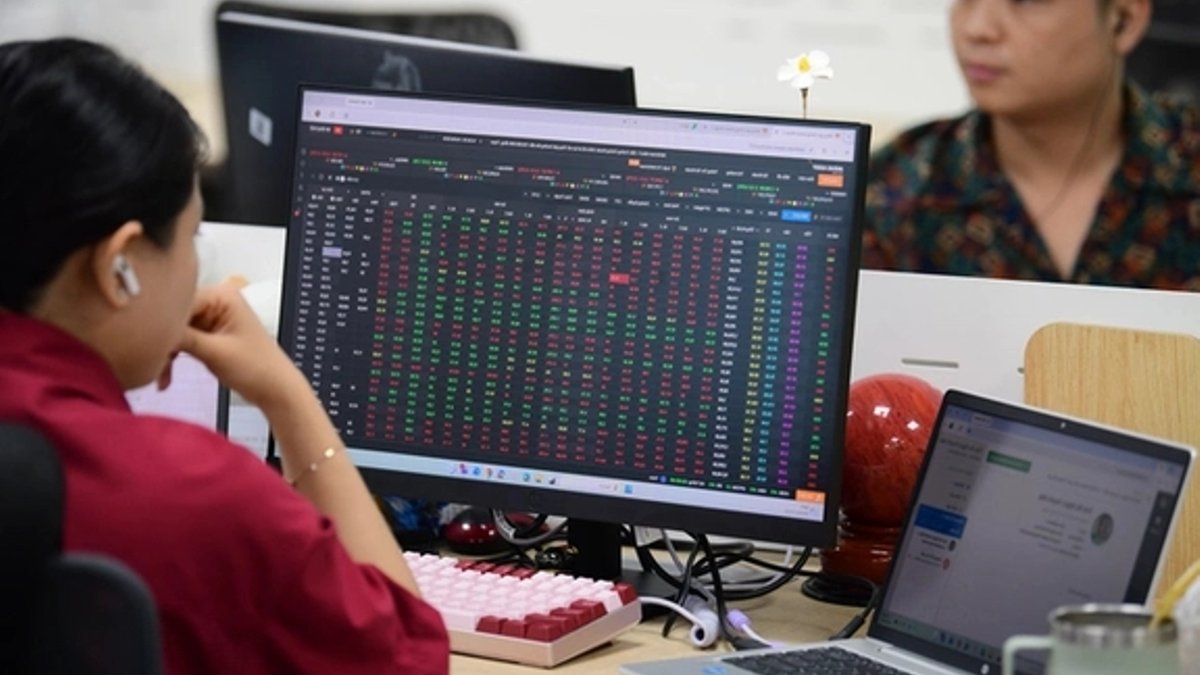
Vietnamese stocks will join FTSE Russell’s global equity indexes next month, reflecting the country’s move from frontier to secondary emerging market status.
Six large- and mid-cap stocks lead the inclusion
FTSE Russell published its indicative results for the September 2026 review of the FTSE Global Equity Index Series on Friday. The changes will take effect after markets close on September 18 and begin trading on September 21.
All 117 Vietnamese stocks in the review are new additions. The breakdown includes three large-cap, three mid-cap, 21 small-cap, and 90 micro-cap stocks.
The six large- and mid-cap stocks—Vietcombank, Vingroup, Vinhomes, BIDV, Hoa Phat Group, and VPBank—will enter the FTSE All-World, All-Cap, and Total-Cap indexes. These companies represent some of the most established names in the market.
The 21 small-cap stocks, including FPT, Vinamilk, Masan Group, VietJet, and Sacombank, will be added to the All-Cap and Total-Cap indexes. The remaining 90 micro-cap stocks will appear only in the Total-Cap Index.
The upgrade timeline and next steps
The August 21 release remains an indicative list. FTSE Russell will accept data queries from August 24 to September 4, with the final list confirmed on September 4. The composition will be locked on September 7, though adjustments after that date will only occur in rare cases.
For investors, the inclusion represents more than a technical change. Many of these stocks were previously inaccessible to global funds limited to frontier markets. Their addition will now make them visible to a wider pool of capital, provided the upgrade proceeds as planned.
Related: Nigeria Cuts Treasury Bill Interest Rates
The shift to secondary emerging market status was announced in October 2025, with the change scheduled for September 2026. An interim review in March confirmed the upgrade would move forward. The decision followed improvements in Vietnam’s market infrastructure, such as the removal of pre-funding requirements for foreign institutional investors and a formal process for handling failed trades.
Market implications of the changes
The full list of 117 stocks includes both well-known companies and smaller, less liquid players. While large-caps like Vingroup and Vietcombank are familiar to investors, the micro-cap additions feature firms with market values under $300 million, some of which have struggled with low trading volumes.
Passive funds tracking the indexes will need to purchase these stocks, but active managers may avoid them if liquidity remains limited. The upgrade does not automatically solve trading challenges, though it does bring attention to the issue.
The final list will be official on September 4. The indicative results suggest few surprises, but the real test will be whether Vietnam’s infrastructure can support the increased interest—or if the upgrade reveals lingering weaknesses.
As the country prepares for this transition, students have also gained recognition in global innovation competitions, highlighting broader progress in the region.
Nigeria recently adjusted its treasury bill rates, reflecting shifts in monetary policy that could influence investor behavior elsewhere.