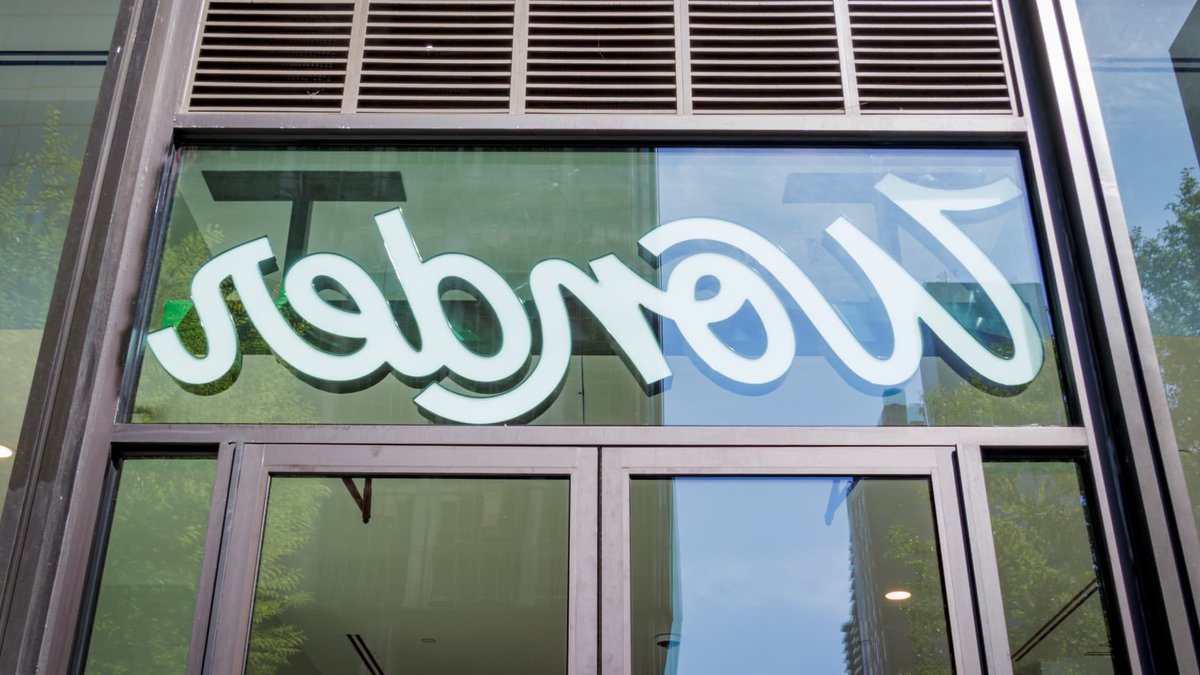
Food startup Wonder, founded by Marc Lore in 2018, is planning a major expansion in Texas and a new subscription model that lets users build their own restaurants, as the company considers an initial public offering.
Wonder describes itself as “the best restaurants from across the country, all in one place.” Customers can order takeout or delivery through the Wonder app or on third-party platforms like Grubhub, which Wonder now owns. This ownership allows the company to waive delivery fees for app users and keep menu prices lower than delivered groceries.
A $9 Billion Bet on Automated Food
The company has raised $3.3 billion from investors including DoorDash, Alphabet’s venture arm, and Gwyneth Paltrow. A recent funding round valued the company at $9 billion. Lore has a clear long-term vision: to make food preparation and delivery fully autonomous by 2040. His expertise lies in e-commerce, not restaurants, having helped found the parent company of Diapers.com, which Amazon acquired for $545 million in 2010.
To achieve this, Wonder is automating parts of its kitchens, such as assembling salads and bowls. The company uses commissary kitchens to prepare food, which is then transported to individual storefronts. Lore stayed at Walmart until 2021 to accelerate the retailer’s e-commerce growth before turning his attention to Wonder.
Lore’s background in e-commerce, not restaurants, has been central to Wonder’s success. He previously founded Diapers.com, which Amazon acquired for $545 million, and Jet.com, which Walmart bought for $3 billion. He is also a former owner of the Minnesota Timberwolves, having agreed to buy the team for $1.5 billion in 2021, with the deal finalized in 2025.
Texas Expansion
Wonder currently has 170 storefronts across the East Coast. Next year, it plans to enter Texas, with a goal of opening at least 100 locations in the state by the end of 2027. Its menu features items from over two dozen concepts, including Dabba Indian Kitchen and Blue Ribbon Fried Chicken, and partnerships with celebrity chefs like Bobby Flay.
Despite winning over investors, Wonder faces a challenge in convincing diners. The company claims its taste scores and Google reviews have improved over the last 12 months. Wonder receives thousands of reviews every day from customers, rating the taste, temperature, and portion size of their orders on a scale from 1 to 10, Lore said.
Building a Public Company
Wonder has spent over $1 billion on acquisitions. These include Grubhub, delivery provider Relay, and meal-kit company Blue Apron. The company also acquired established restaurant concepts like Blue Ribbon Fried Chicken and Salt Hank’s. Lore believes there is a large market for Wonder if it can offer good food at low prices. This is especially true for suburban and rural areas with limited dining options.
The Path to Profitability
To attract investors, unprofitable companies must show a clear path to making money. They also need to prove that their growth will continue after going public. Lore believes Wonder’s mission to make food accessible is a strong foundation. “Everybody eats,” he said. “It’s defensible from AI.” He sees this as a key advantage in the market.